- Participated in IT general controls (ITGC) and IT application controls (ITAC) audits, reviewed 5,000+ user access records, and identified 4 high-risk internal control deficiencies;
- Used CAATs to detect anomalies across full-population financial entries, reducing manual review time;
- Wrote SQL scripts to perform full matching of purchase orders, goods receipts, and invoices, and validated system control logic through abnormal-scenario simulations.
Wenjing Li
MSc FinTech / BSc Accounting
University of Nottingham Ningbo China / Chengdu University of Technology
About Me
CV.pdfI am currently pursuing an MSc in Financial Technology at the University of Nottingham Ningbo China. My supervisors are Hang Zhou and Xiuping Hua.
Before this, I earned a Bachelor's degree in Accounting from Chengdu University of Technology and a BSc in Applied Accounting from Oxford Brookes University with First Class Honours. I have also passed 9 ACCA papers.
With an interdisciplinary background in accounting and financial technology, I am skilled in applying Python, machine learning, and other data analysis methods to empower audit work and optimize corporate financial operations. From ESG empirical research to the analysis of underlying business logic, I aim to use cross-disciplinary data insight to support strategic planning and professional consulting for business growth.
Research Interests
High-dimensional financial time series forecasting and investment strategy design
Quantitative asset pricing and machine learning applications
Forensic data analysis and intelligent auditing
Corporate financial digital transformation and operational optimization
Corporate ESG performance and empirical finance
Internships
Driven by curiosity and commitment, I hope to bring fresh energy to the industry through thoughtful analysis and action.
- Led testing and operation support for intelligent document-receiving machines, designed test cases, reported 15 issues, and improved document processing efficiency by about 80%;
- Independently completed scanning and quality checks for 5,000+ business documents, and efficiently handled 60 document revisions and returns with 100% accuracy;
- Standardized the binding of 80 vouchers and completed digital archive handovers, ensuring compliance with internal control and audit requirements.
- Reviewed bad debt data, analyzed customer credit status, and provided account credit-limit management suggestions to reduce collection risk;
- Used SAP to complete 800+ postings and clearings of receipt-related fees, achieving 99% accuracy and supporting monthly closing tasks;
- Prepared nearly 100 monthly fee lists and assisted with more than 50 account checks to ensure timely account clearing.
- Participated in the annual audit of a large water company, communicated to obtain specialized materials, and prepared nearly 30 audit working papers;
- Conducted vouching tests for revenue, accounts receivable, and other accounts, checked more than 800 vouchers, and verified over 20 control points;
- Independently prepared more than 80 bank confirmations and tracked the full confirmation process, achieving 100% agreement in returned confirmations.
- Participated in a STAR Market IPO project, reviewing and revising key issues raised in the internal review meeting section of the sponsorship report;
- Conducted in-depth analysis of policies and industrial chains in third-generation semiconductors, fuel cells, and related sectors, contributing to 4 industry research reports;
- Performed bank-flow checks and walkthrough tests for hundreds of transactions involving the issuer's major shareholders, and organized more than 20 due diligence interview notes.
Projects
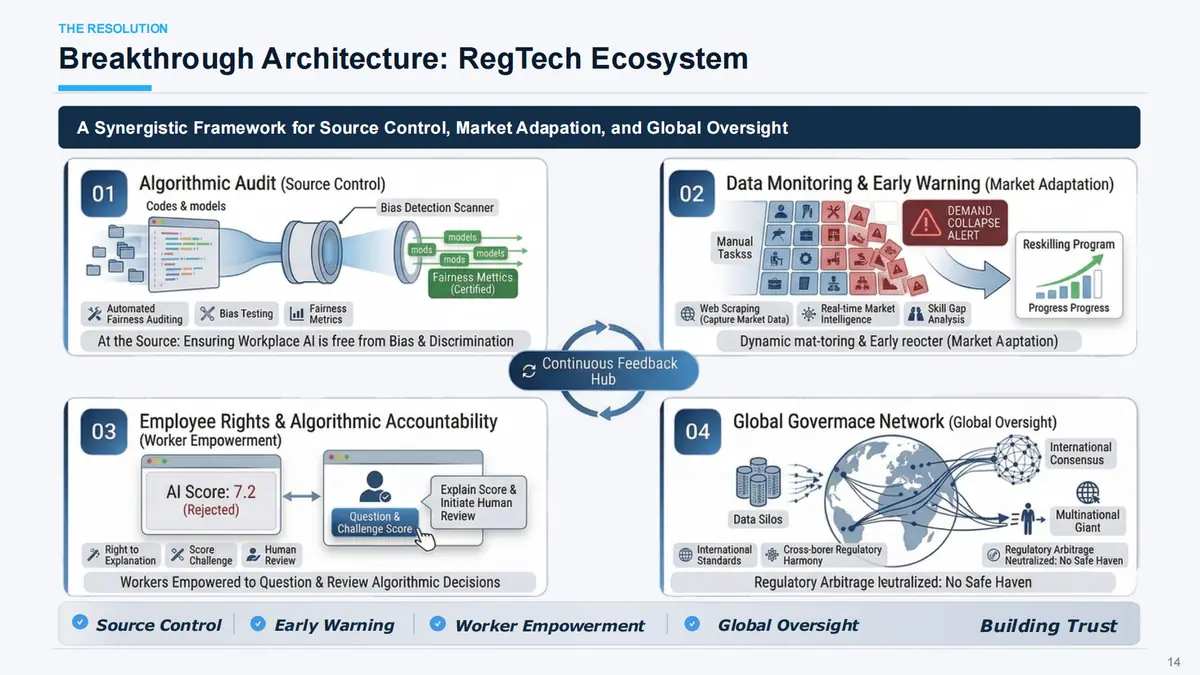
FinTech Regulation and Data Protection
This project systematically analyzes the structural impact, transmission mechanisms, and regulatory challenges of AI in the global labor market. It proposes a RegTech-enabled governance framework and cross-border policy coordination approach, arguing that technology and institutions jointly shape employment patterns in the AI era.
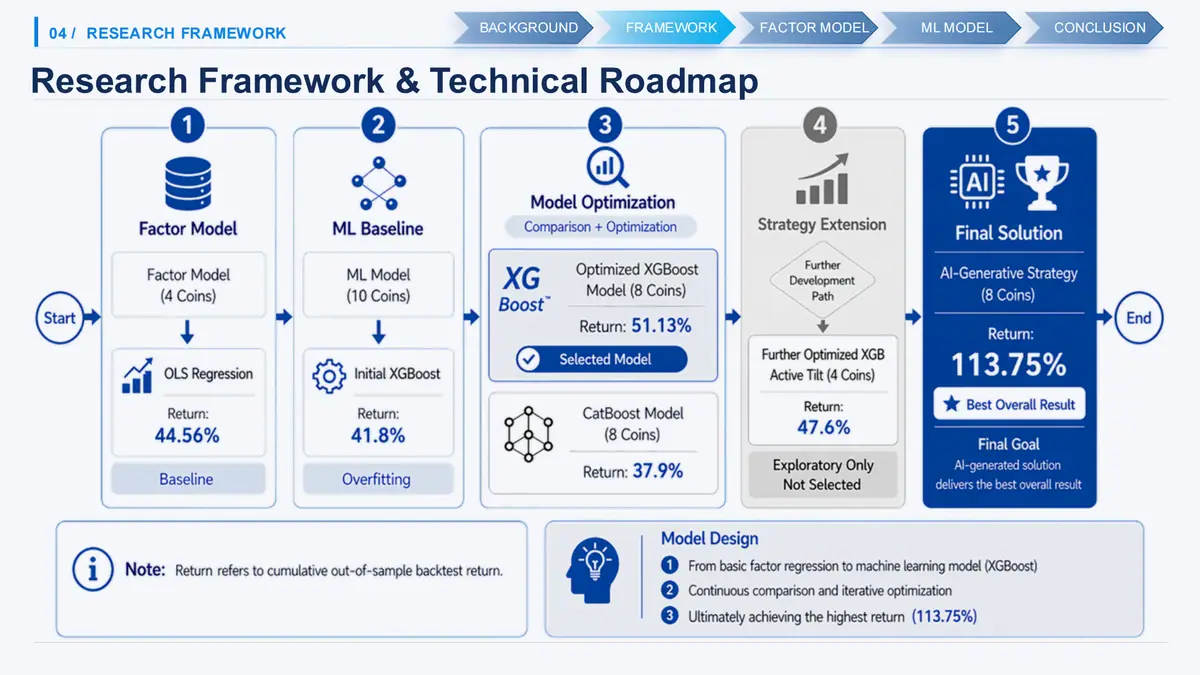
Cryptocurrency Trading Strategy Research
This project builds a multidimensional cryptocurrency factor framework and iteratively optimizes strategies through OLS benchmark models, XGBoost, CatBoost, and other machine learning methods. A minimalist generative-AI strategy ultimately achieves the best back-tested return of 113.75%, highlighting signal efficiency, overfitting control, and simple execution frameworks in crypto markets.
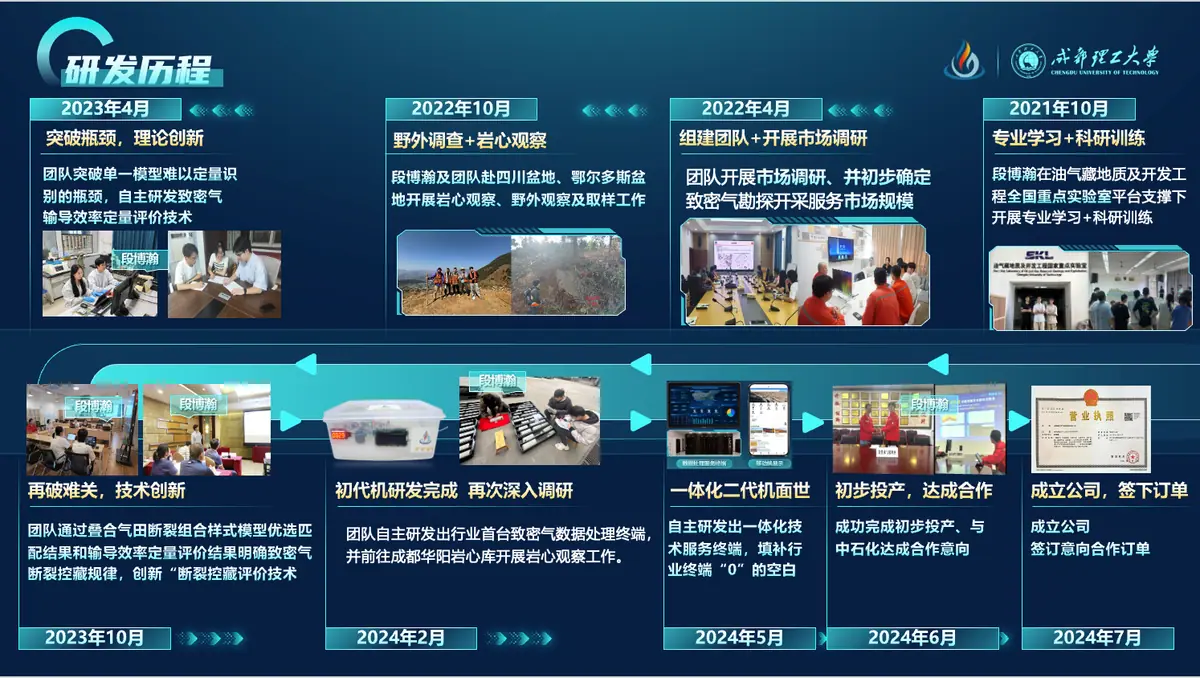
Seeking Oil and Gas: An Innovative Project for Efficient Tight Gas Extraction
Targeting key pain points in tight gas exploration and development, this project developed a fracture information database and an AI-powered intelligent evaluation model. It improved data processing efficiency by 39.7%, increased the proportion of high-yield wells from 30% to 56.9%, and reduced single-well development costs by 25%. The core technology is internationally pioneering, has been implemented by Sinopec, and has secured RMB 3.66 million in orders, demonstrating strong technical barriers, commercial value, and strategic significance for energy security.
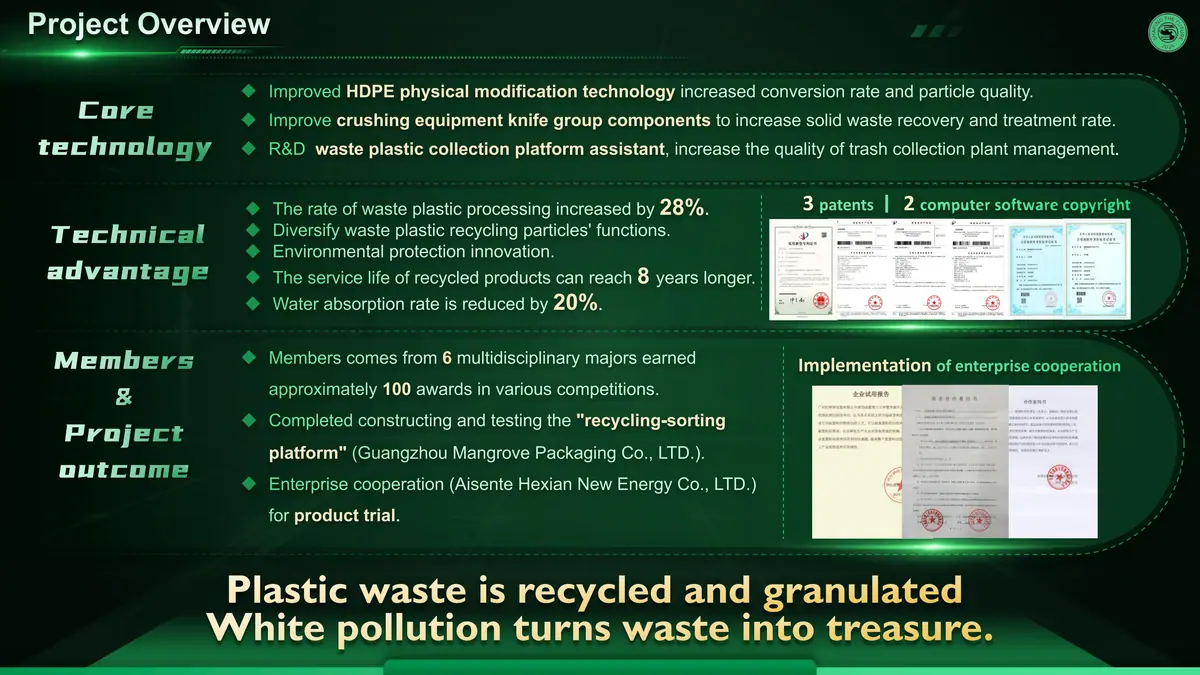
NewPlastic NewLife: Waste Plastic Recycling Innovation Project
Focusing on the circular economy of waste plastics, this project developed HDPE physical modification technology, an intelligent sorting platform, and efficient crushing equipment. It increased recycling rates by 28% and extended product life to 8 years. With 3 patents, 2 software copyrights, corporate collaboration, and pilot testing, the project built an end-to-end model covering recycling, modification, and high-value reuse, combining environmental impact with business feasibility.
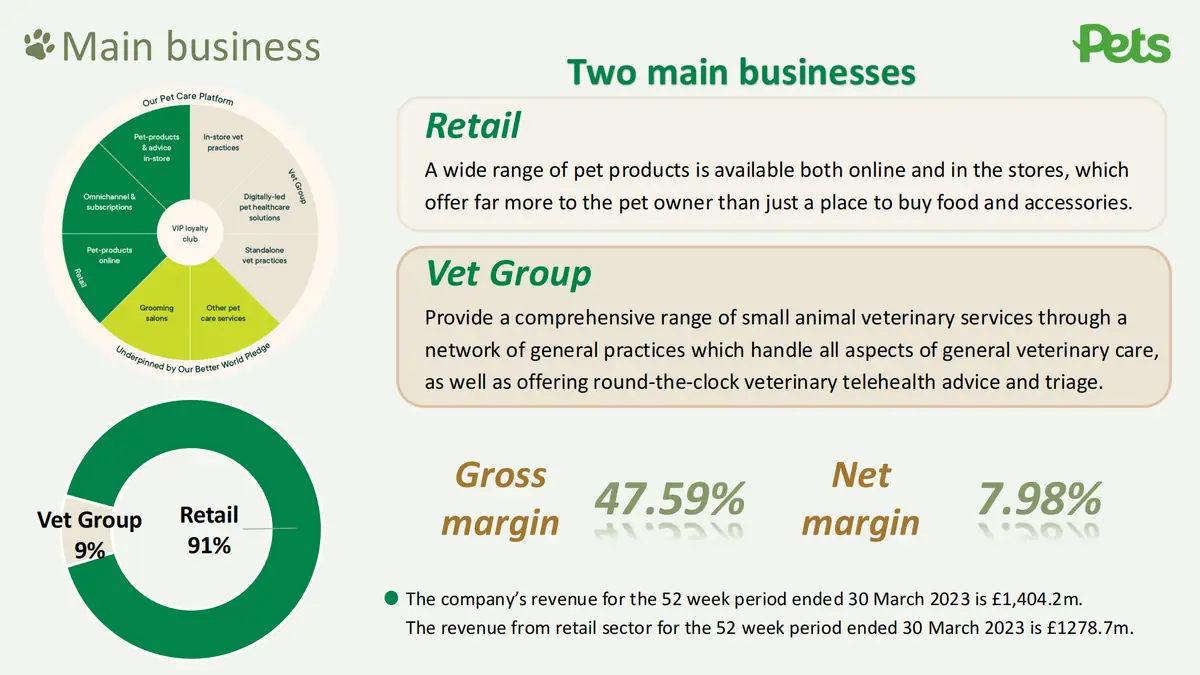
Pets at Home Financial Analysis and Investment Valuation
Using Porter's Five Forces, SWOT, and ESG frameworks, this report analyzes the external environment and competitiveness of Pets at Home. It further applies DuPont analysis, liquidity ratios, working capital analysis, capital structure review, and relative valuation methods (PE/EV/EBITDA) to assess financial performance, concluding that the company is transitioning from growth to maturity with stable finances and undervalued investment potential, while also identifying key risks.
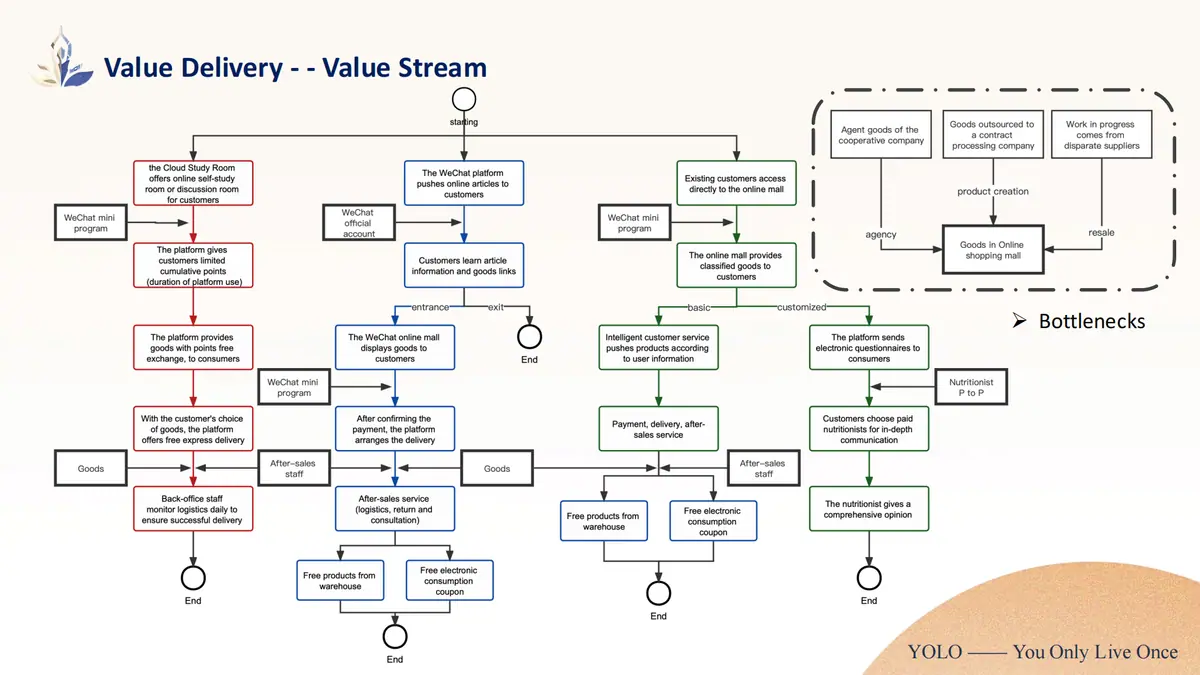
Punk Health Business Plan
Designed for Gen Z's 'punk health' consumption needs, this business plan proposes a differentiated wellness brand. Based on PEST, 4Cs, SWOT, and Five Forces analysis, it covers a WeChat mini-program platform, proprietary product development, online marketing, and financial projections, positioning the business in a blue-ocean market with a lightweight implementation strategy.
Awards
Honors and awards I have received.
| Seeking Oil and Gas: Explorer of Efficient Tight Gas Extraction TechnologyChina International College Students' Innovation Competition (2024) | NationalNational Silver Award | 2024/10 |
| First Prize, Undergraduate Group7th National Finals of the China Vocational Education Innovation and Entrepreneurship Competition | NationalNational First Prize | 2024/05 |
| "Sapiential" Road Measuring Vehicle: Breathing New Life into Pavement Distress RecognitionChina International College Students' Innovation Competition (2023) | NationalNational Bronze Award | 2023/12 |
| NewPlastic NewLife: New Recycling Equipment and Process for Waste PlasticsCollege Students' Innovation and Entrepreneurship Training Program | NationalNational-level entrepreneurship project | 2023 |
Selection: Seeking Oil and Gas: Explorer of Efficient Tight Gas Extraction Technology Ready
Academic Papers
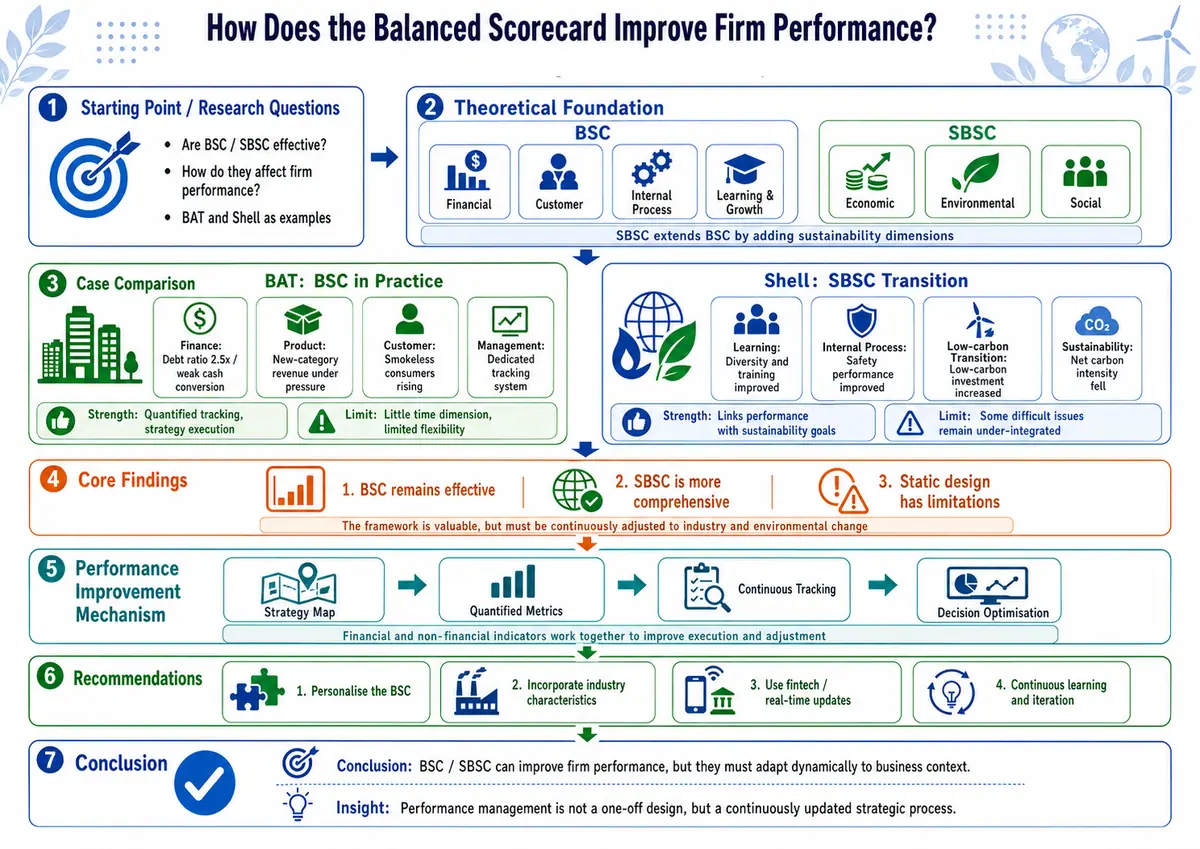
Effectiveness of the Balanced Scorecard in Enhancing Firm Performance
Journal of Human Resource Development
The Balanced Scorecard (BSC) and Sustainable Balanced Scorecard (SBSC) are core tools for measuring organizational performance. This paper analyzes the cases of British American Tobacco (BAT) and Shell to examine the application and limitations of these frameworks in dynamic environments. The study finds that the traditional BSC lacks flexibility in responding to dynamic factors, while the SBSC extends strategic depth by incorporating environmental and social dimensions. The cases show that BAT optimized management by strengthening non-financial indicator tracking, while Shell used the SBSC to support emissions reduction and diversification strategies. The paper concludes that firms should continuously customize and update their performance frameworks, and suggests integrating FinTech tools for real-time monitoring to improve decision-making accuracy.
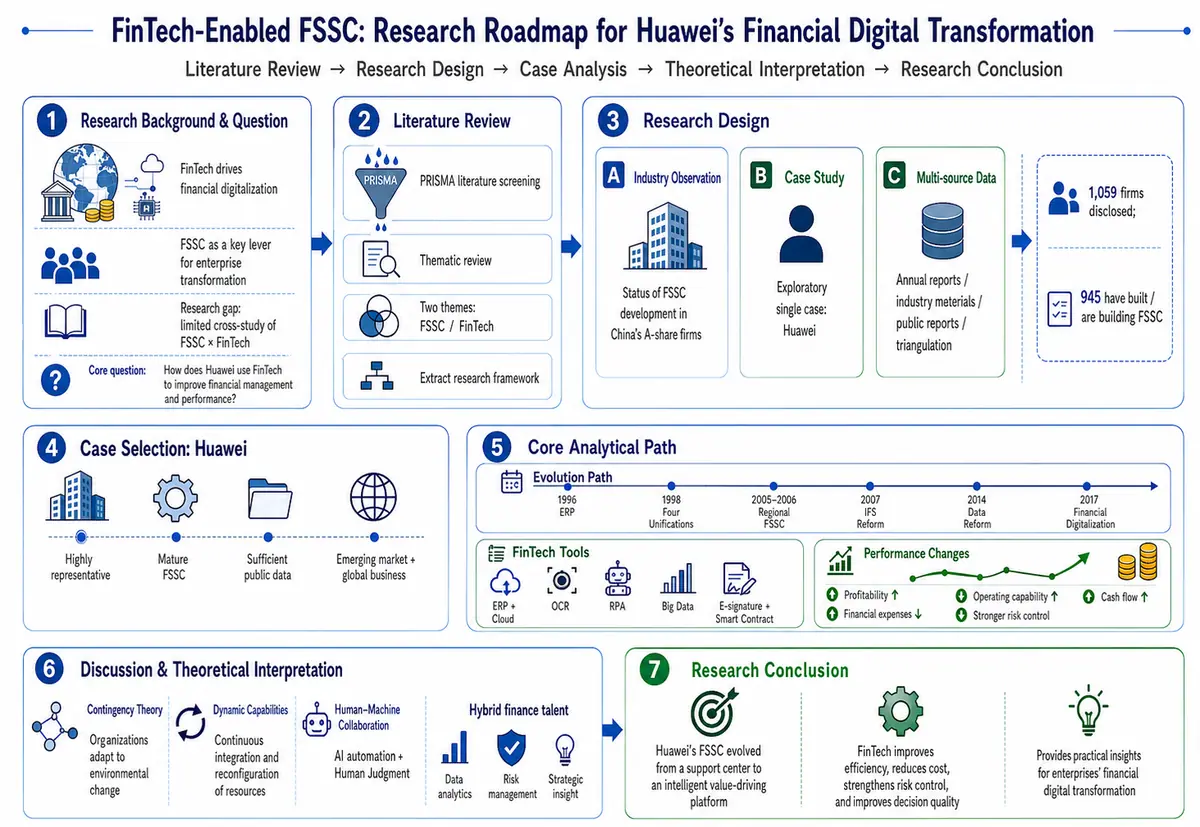
Financial Shared Service Centres (FSSC) Enabled by FinTech: A Study of the Financial Digital Transformation of Huawei
The rapid development of financial technology (FinTech) has reshaped accounting service models and promoted financial shared service centres (FSSC) as a core vehicle for corporate financial digital transformation. Taking Huawei as a case, this paper applies PRISMA-based literature screening and an exploratory single-case study method to systematically analyze the development process of Huawei's FSSC, the application pathways of FinTech, and its impact on financial performance. The study finds that technologies such as cloud computing, big data, blockchain, and RPA are deeply embedded in FSSC operations, significantly improving financial process standardization, operational efficiency, and cost control, while supporting Huawei's global financial management and strategic decision-making. This paper addresses a research gap on FinTech-FSSC integration in emerging markets and provides practical reference for large enterprises pursuing financial digital transformation.
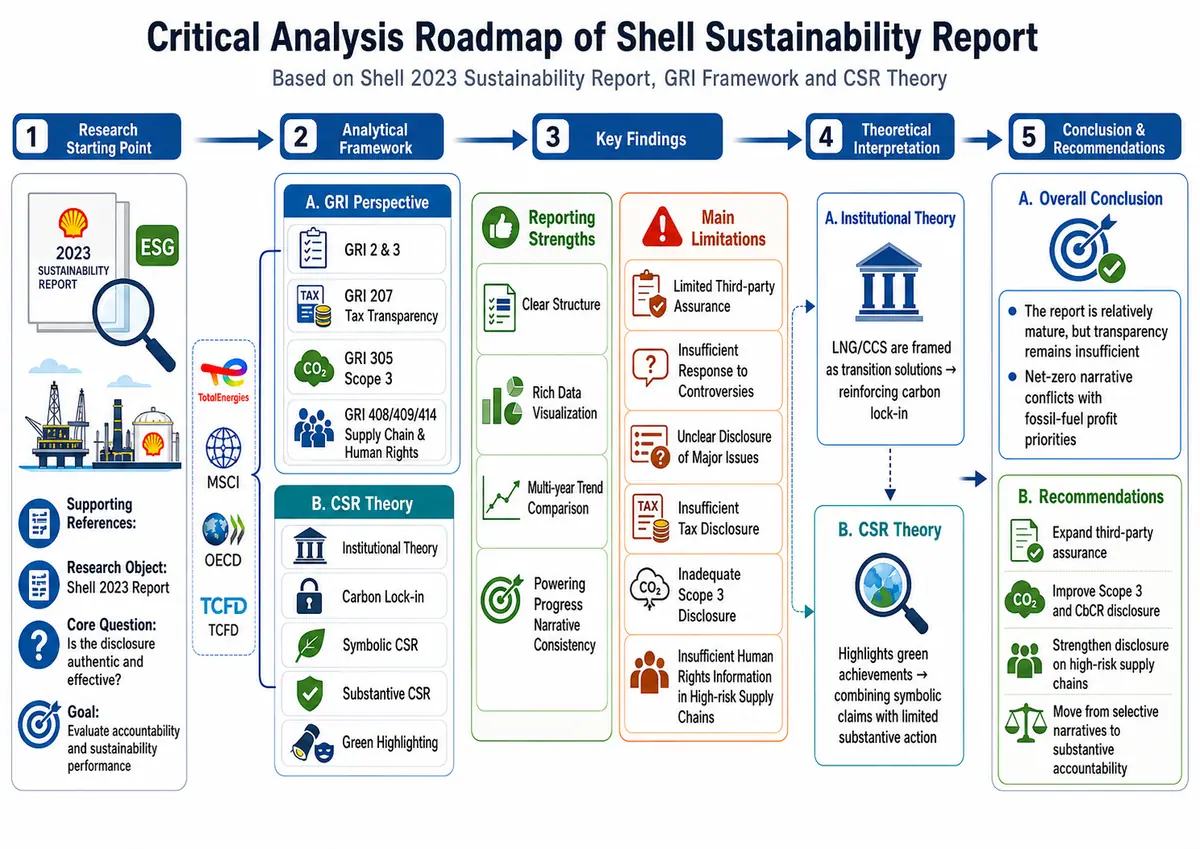
Based on the GRI sustainability reporting framework and theories related to corporate social responsibility (CSR), this paper critically analyzes Shell's 2023 Sustainability Report. The study finds that Shell demonstrates maturity in disclosure structure, data visualization, and framework alignment, but still faces issues such as insufficient third-party assurance, incomplete Scope 3 carbon emissions disclosure, and opaque labor information in high-risk regions. Drawing on institutional theory and symbolic CSR theory, the paper argues that Shell exhibits a greenwashing narrative and carbon lock-in tendency, and that its sustainability strategy conflicts with continued fossil fuel investment. The study provides a critical reference for improving ESG disclosure quality and responsible practices among multinational oil and gas companies.
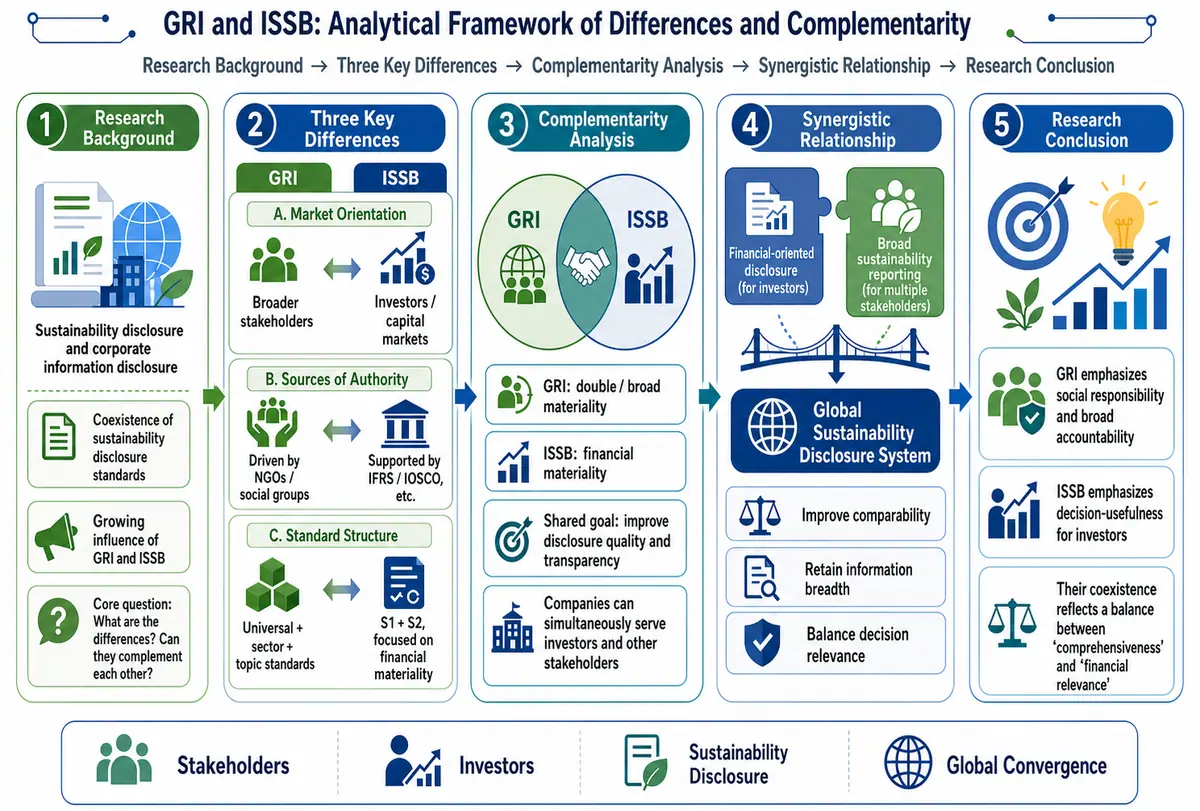
This paper systematically examines the core differences and complementarities between the Global Reporting Initiative (GRI) and the International Sustainability Standards Board (ISSB), two major sustainability disclosure frameworks. It compares the frameworks from three perspectives: market positioning, institutional authority, and standards structure. The paper points out that GRI is stakeholder-centered and emphasizes double materiality, while ISSB is investor-centered and focuses on financial materiality. It further analyzes their collaborative value in the global disclosure system, arguing that GRI is suitable for comprehensive social responsibility disclosure, while ISSB meets capital-market demand for sustainability-related information. The parallel and complementary use of the two frameworks is likely to become a mainstream model, providing theoretical reference for companies seeking to understand and apply global sustainability disclosure standards.
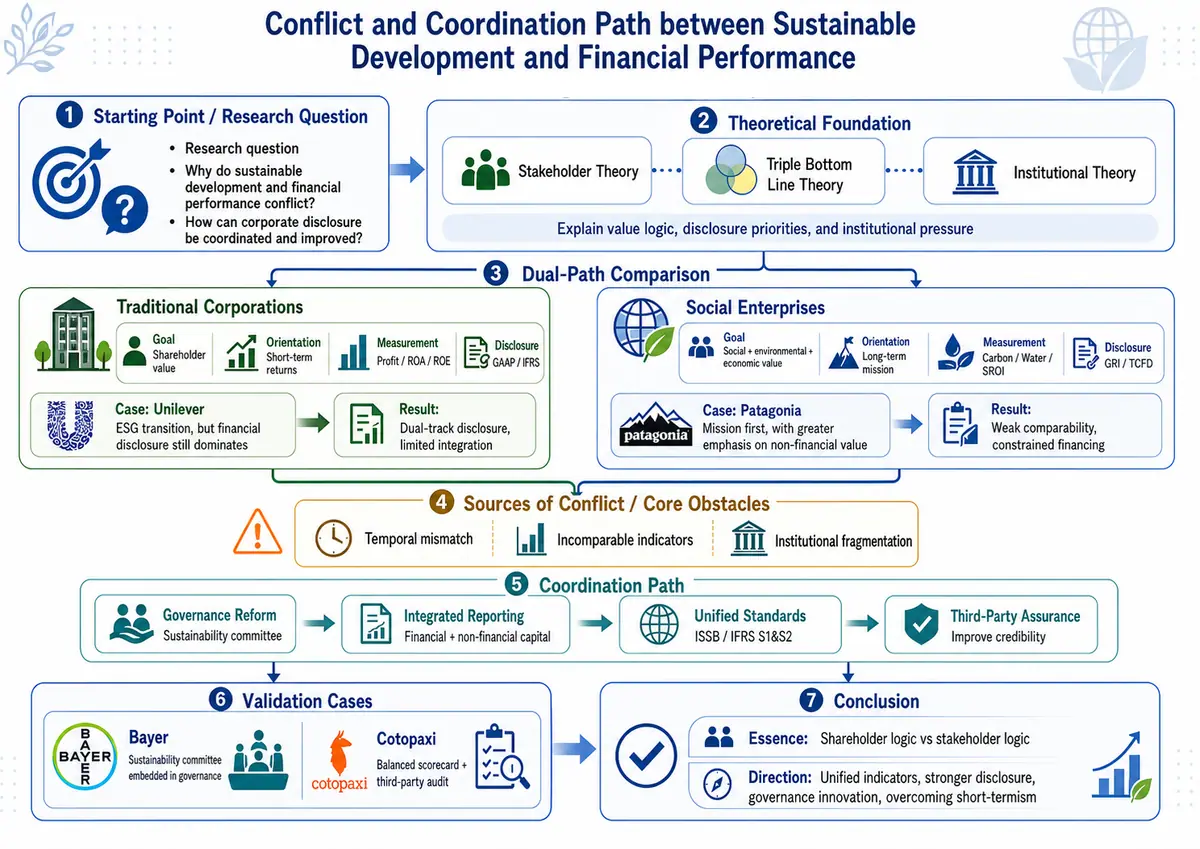
Conflict and Coordination Path between Sustainable Development and Financial Performance
Using stakeholder theory, triple bottom line theory, and institutional theory, this paper analyzes the core differences, sources of conflict, and disclosure implications between corporate sustainable development and financial performance. By comparing the cases of Unilever and Patagonia, the study reveals the tension between traditional enterprises and social enterprises in terms of objectives, time horizons, and evaluation systems. It identifies temporal mismatch, fragmented metrics, and institutional divergence as key coordination barriers, and proposes governance reform, integrated reporting, mandatory disclosure, and third-party auditing as coordination pathways based on cases such as Bayer and Cotopaxi. The study argues that the conflict fundamentally reflects the tension between shareholder capitalism and stakeholder capitalism, and that compatibility requires unified standards and a shift away from short-termism.
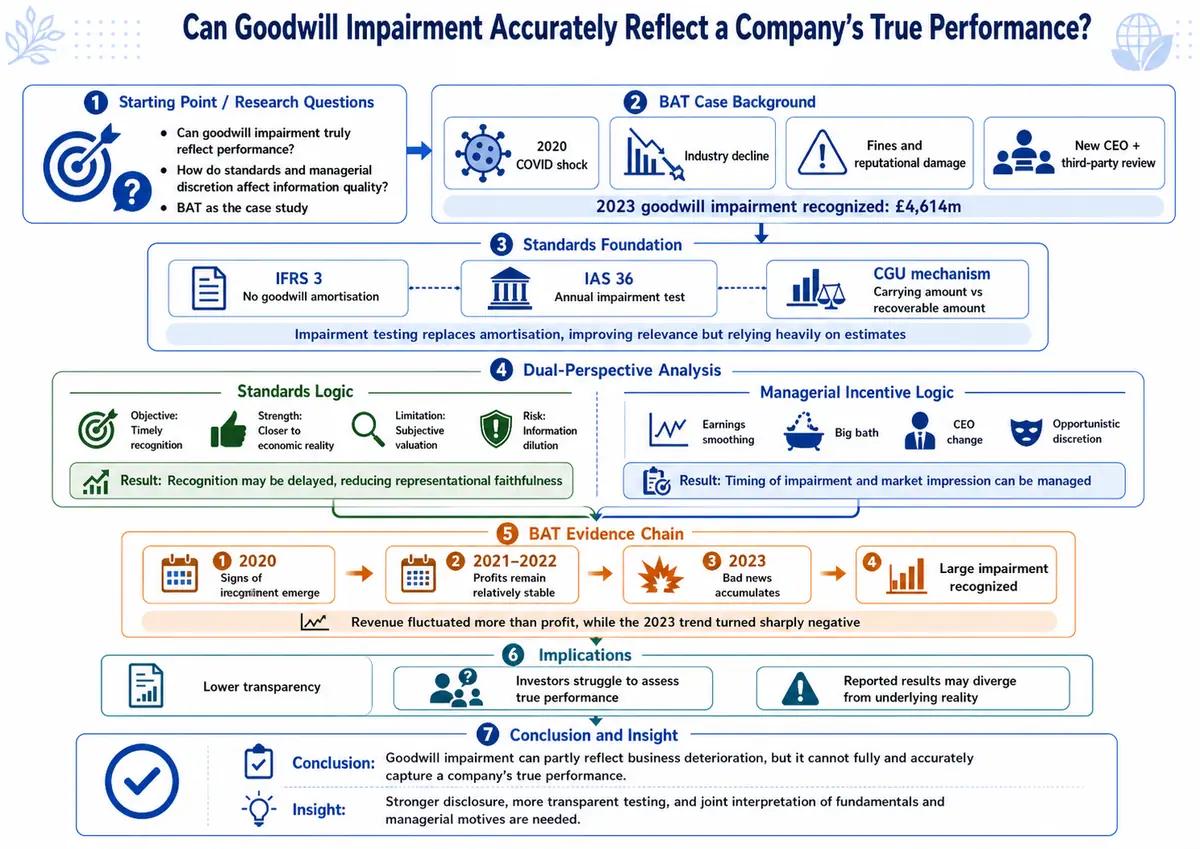
Can the Impairment of Goodwill in Financial Reports Accurately Reflect the Company's True Performance?
Taking British American Tobacco (BAT) as a case, this paper critically examines whether goodwill impairment can truly reflect corporate performance under IFRS 3 and IAS 36, combined with theories of income smoothing and big bath accounting. The study finds that goodwill impairment testing involves substantial managerial discretion, enabling companies to engage in earnings management through delayed recognition or large one-off impairment charges. BAT's significant goodwill impairment in 2023 reflected both objective industry downturn factors and possible big bath incentives under new management, meaning that the financial statements could not precisely represent actual operating conditions. The paper reveals limitations in current goodwill accounting standards and provides reference for improving information transparency.
Skills
My professional capabilities and personal interests.
Long-term Learning / Work-life Balance / Recording and Expression
- Reading and writing: I enjoy using reading, notes, and research writing to organize complex questions.
- Life interests: I maintain interests in sports (table tennis and badminton), travel, and photography, using a steady rhythm to recharge long-term learning.
ReadingSportsTravelPhotography

Hero image once featured on the official website of Chengdu University of Technology